

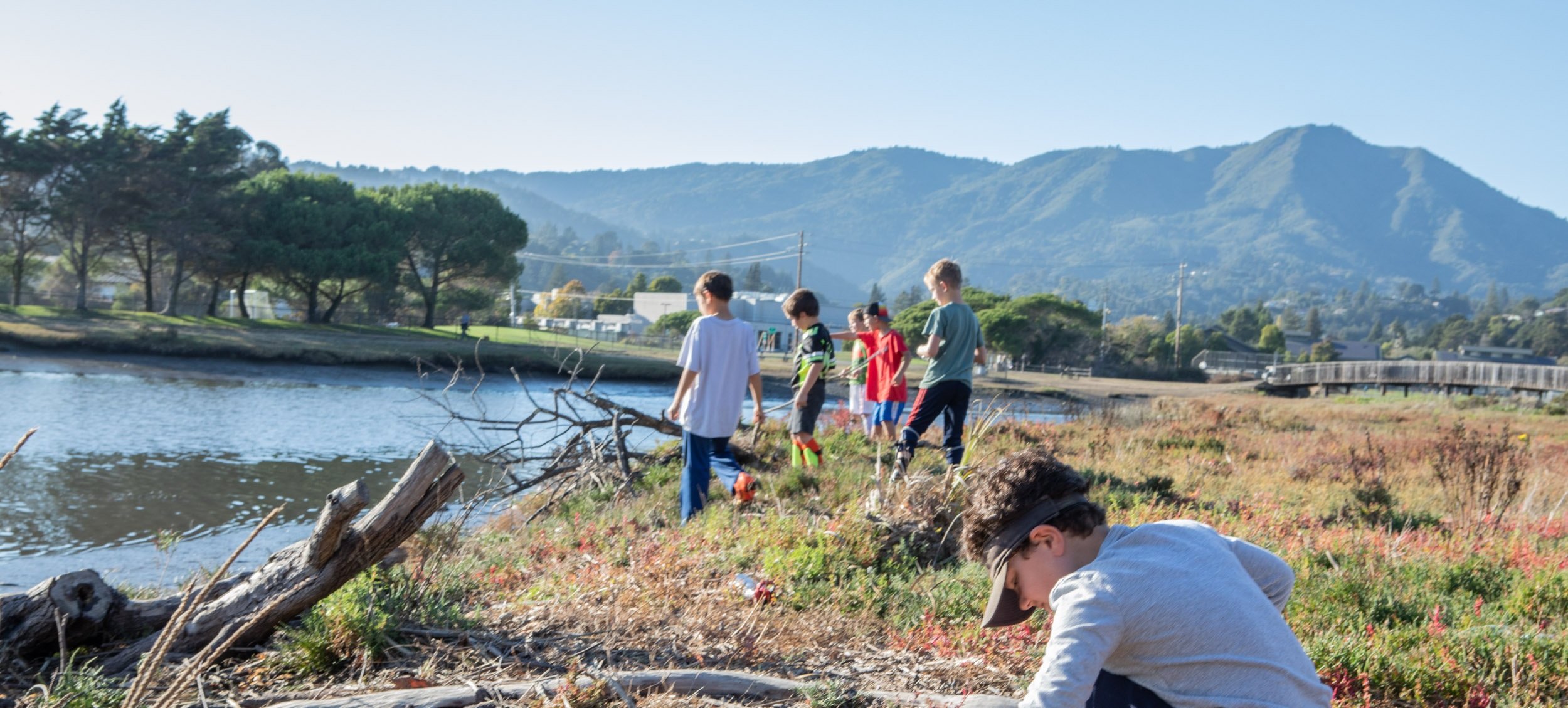

Kids In Real Life (IRL) is our Marin-wide effort to collectively get tech in check so kids thrive in real life.
Kids IRL is a Marin County-wide community effort to get digital tech in check and roll it out more slowly and intentionally to our children - so screens don’t crowd out essential childhood activities. By changing local norms together, we reduce pressure on parents and kids, protect our children’s health and wellbeing, and improve family and community life.
Together let’s get tech in check and boost the IRL goodness that makes childhood magical!
Why do we need Collective Action?
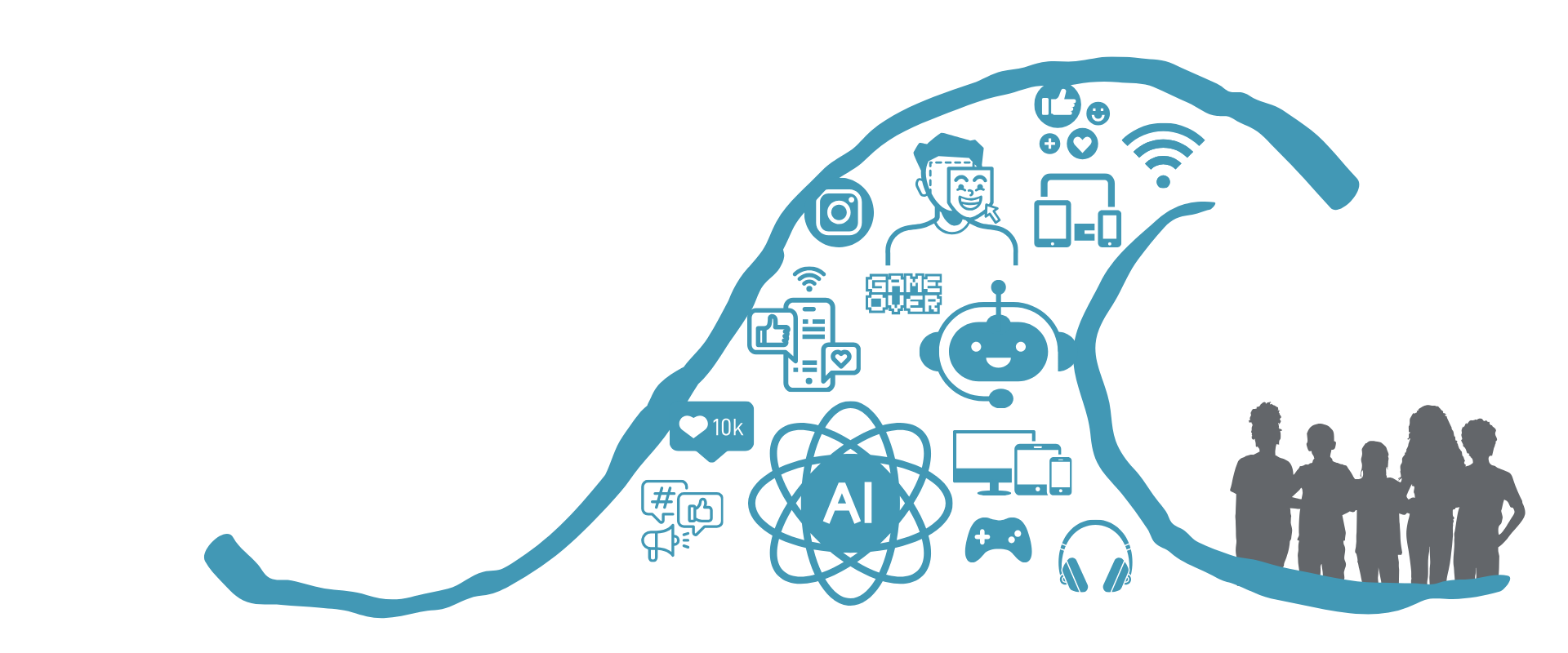
A tsunami of tech is
overwhelming childhood,
altering how kids spend
their days.
As a result...
Average daily screen time is increasing and starting earlier.
By age 2,
40% of kids have
their own tablet
By age 4,
58% do.
Hours per day
(hours: minutes)
Ages 2-4 (2:08)
Ages 5-8 (3:28)
Ages 8-12 (5:33)
Ages 13-18 (8:39)
By age 8,
nearly 1 in 4
children have their
own cellphone
Sources: Common Sense Media, 2025, ages 0-8; Common Sense Media, 2021, ages 8-18.
And...
Excess screen time is crowding out IRL activities essential to healthy development.


Sources: US Report Card on Physical Activity, 2022; National Trust, 2018; Anxious Generation, 2024; Common Sense Media, 2023
The stakes are HIGH.
Studies show that youth mental health has gotten worse since 2010 - when digital media use ramped up.


Sources: Anxious Generation, 2024; Common Sense Media, 2024, ages 12-17
Today, 65% of teens rate the mental health of kids and teenagers in their community as fair or poor. At a time when tech is supposedly connecting humanity, rates of loneliness and isolation are at an all-time high.
And, academic outcomes have worsened globally in reading, math, and science. Reading scores peaked in 2012, and have steadily fallen since then - partly because scrolling phones and screen time replaced reading books.

Source: OECD (2023), PISA 2022 Results: The State of Learning and Equity in Education.
Taken together, it is clear that childhood’s migration from in-real-life to online isn’t going well for our community or our kids’ health and wellbeing.

Overuse and misuse of digital media is affecting everything that matters in childhood and is a key lever in our public health crisis.
Download and share this 2-page summary of why we need Kids IRL.
So what do we do?
The impact of tech overuse in childhood is a collective problem and a community shift here in Marin is our most practical and immediate solution. We need to take local action to adopt a more sustainable approach to all this tech in our lives.

While we CAN’T control the tsunami of tech that is only growing, and we CAN’T control when critical tech regulation will protect children, we CAN control when, where, and how we introduce digital media to our children. We must get tech in check and restore the fundamental activities core to a healthy childhood.
And it’ll be a lot easier and quicker if we take action together.
Change is possible, if we act together.
Be part of a community solution in Marin! Kids IRL (in real life) is a countywide coordinated effort by parents to keep digital tech in check and roll it out more slowly to our children - so screens don’t crowd out essential childhood activities. Kids IRL is heavily influenced by the four community norms and the collective call to action outlined in Jonathan Haidt’s book, Anxious Generation. If you are unfamiliar with his work, we recommend starting with our blog post “We’re at a Tipping Point.”
By changing local norms together, we reduce pressure on parents and kids, protect our children’s mental health, and improve family and community life.
So, join us to help guide change - and be part of a local solution. Together let’s keep tech in check, roll it out slowly and thoughtfully to our children, AND expand opportunities for IRL play and connections.
Start here…
✔ Join the Phone Pact with 1400+ others in Marin who are taking phones slowly together. If mobile communication is needed, you can find a simple phone or watch that doesn’t disrupt childhood.
✔ Become a School Ambassador to bring the work of Kids IRL to your school or grade
✔ Share our Healthy Tech Use Guidelines with families at your school
✔ Explore our Kids IRL Downloads (that support the phone pact and boost IRL goodness) and encourage your child to explore Marin and beyond
✔ Commit to screen-free sleep since a good night’s sleep is a powerful protective factor.
Want to learn more or get involved?
Reach out to us at kidsirl@screensense.org if you’d like to get more involved or help support this local effort!

Help Marin youth thrive by supporting Kids IRL! Make a tax-deductible donation today.
We are looking for funding options and grant opportunities. If you are interested in joining our Kids IRL fundraising team, email us.