


For Pediatricians
ScreenSense provides pediatricians with tools to guide families in balancing digital habits with healthy child development.
Screens are crowding out essential childhood activities like sleep, movement, time outdoors, focused study time and in-real-life social relationships. The impact of this tech misuse in childhood is a collective problem and a community shift is our most practical and immediate solution. We the community - parents, educators, clinicians, coaches, mentors, and youth - need to take local action to adopt a more sustainable approach to all this tech in our lives. With all hands on deck, we can start to create the systems and environments that young people need to support their healthy development.
What’s the problem?
A tsunami of tech is
overwhelming childhood,
altering how kids spend
their days.
As a result, average screen time is increasing.
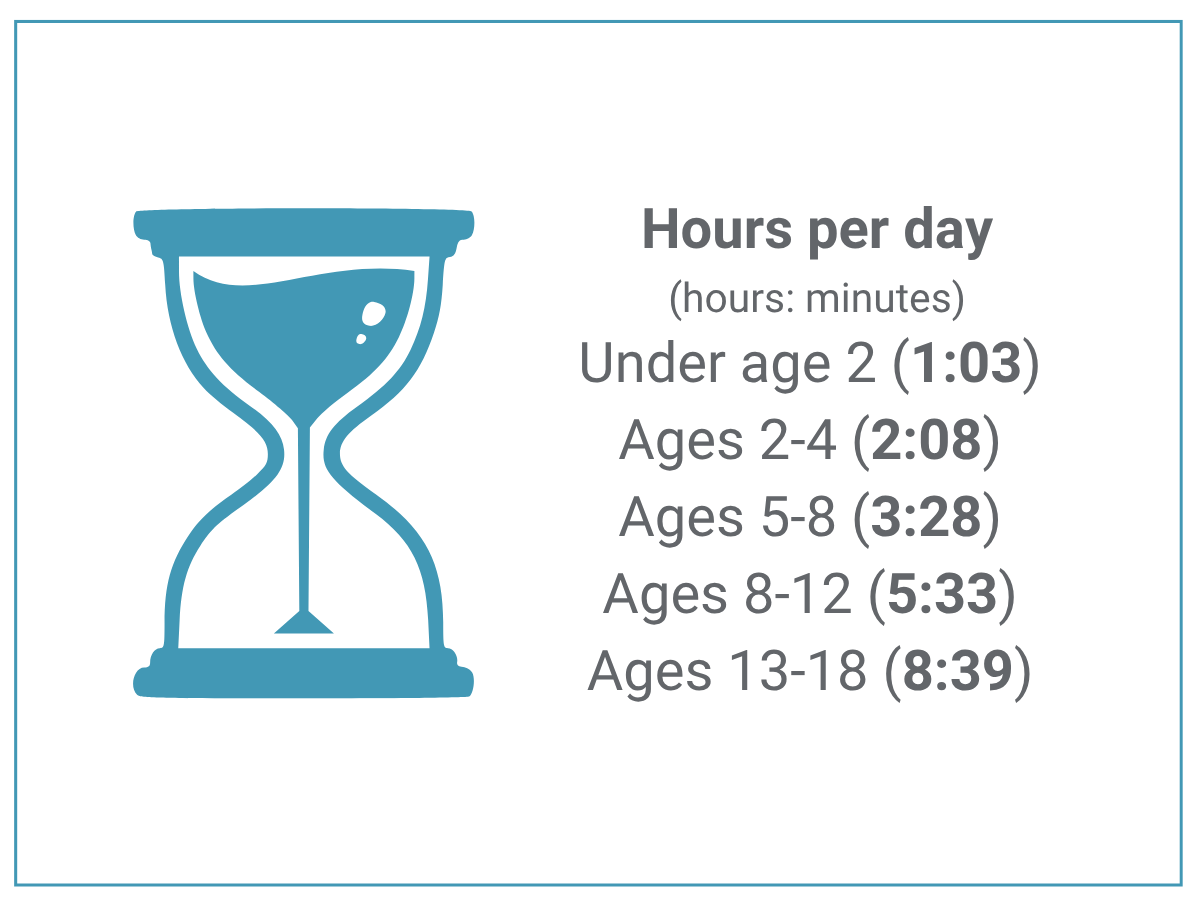
Sources: Common Sense Media, 2025, ages 0-8; Common Sense Media, 2021, ages 8-18.
And excess screen time is crowding out in-real-life activities that are essential to healthy development.
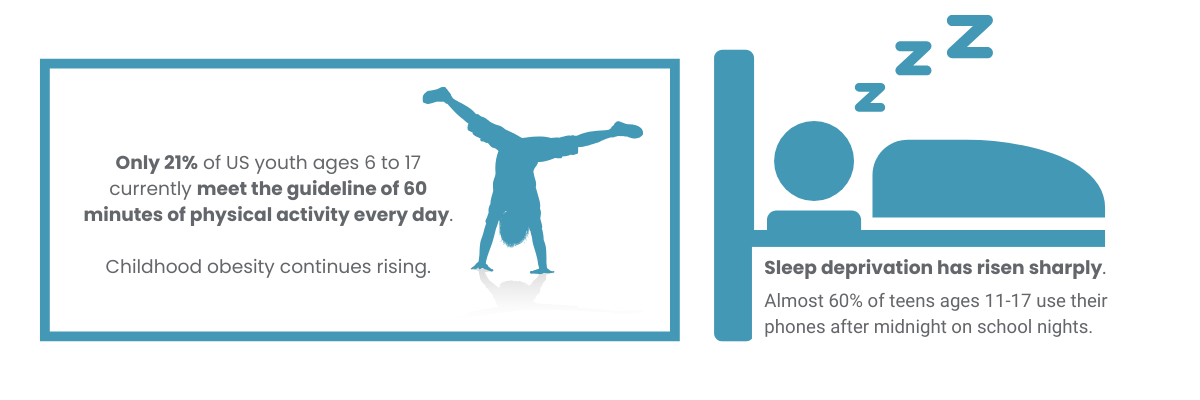
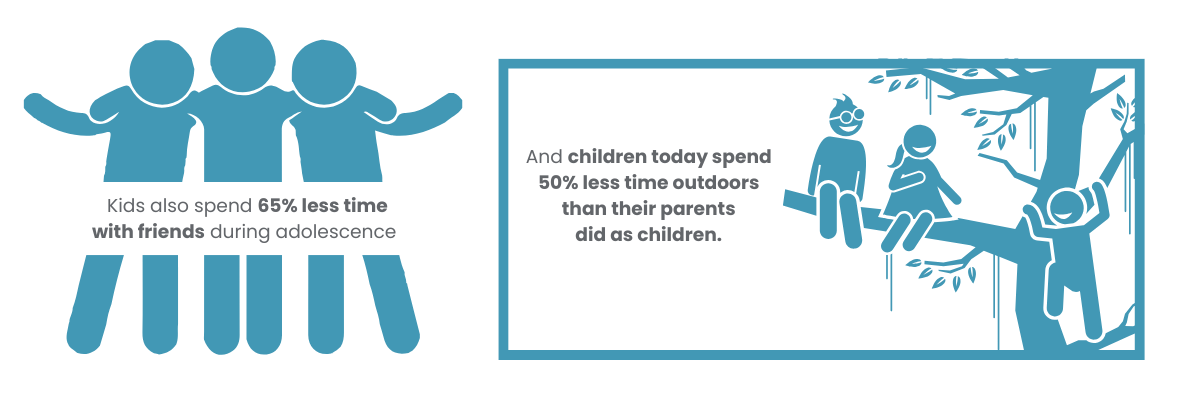
Sources: US Report Card on Physical Activity, 2022; National Trust, 2018; Anxious Generation, 2024; Common Sense Media, 2023
The stakes are high.
Studies show that youth mental health has gotten worse since 2010 - when digital media use ramped up.


Today, 65% of teens rate the mental health of kids and teenagers in their community as fair or poor. At a time when tech is supposedly connecting humanity, rates of loneliness and isolation are at an all-time high.
Sources: Anxious Generation, 2024; Common Sense Media, 2024, ages 12-17
Decide what other stats to include that are most relevant to pediatricians - some notes:
-Risk increases with hours of use: Teens using social media ≥3 hours/day show roughly 2x higher risk of poor mental health outcomes compared to light users.
-Sleep is foundational to development: Evening screen use is associated with ~1 hour less sleep per night in adolescents. Devices in bedrooms significantly increases odds of insufficient sleep.
-For toddlers, each additional 30 minutes of handheld screen time has been associated with increased odds of expressive speech delay.
-Excessive early screen exposure is associated with reduced white matter integrity in preschool-aged children (MRI studies).
-Rapid-paced media content is associated with short-term executive function impairment in experimental studies.
-Sedentary screen time displaces physical activity. Each additional hour of daily screen time is associated with increased obesity risk.
Taken together, it is clear that childhood’s migration from IRL to URL isn’t going well for our kids’ health and wellbeing. Overuse and misuse of digital media is a key lever in our public health crisis.
So what do we do?
While we CAN’T control the tsunami of tech that is only growing, and we CAN’T control when critical tech regulation will protect children, we CAN control when, where, and how we introduce digital media to children. We must get tech in check and restore the fundamental activities core to a healthy childhood and a thriving school community.
So - pediatricians, clinicians, and mental health professionals - let’s collectively guide essential changes to adjust to the digital age! Together let’s get tech in check, reexamine how and where we can use it well, and reclaim spaces from tech that are better suited for face-to-face learning and socialization.
By establishing clear boundaries around digital tech, we can reduce pressure on parents and schools, protect children’s mental health and wellbeing, and improve family, school, and community outcomes.
Talking with parents about tech
Talking with parents and caregivers about the challenges of raising kids in a digital world can feel tricky and overwhelming - you may not know where to start or what to recommend. But your role as a pediatrician places you in a unique position to guide parents and caregivers in managing technology at home.
Normalize talking about tech.
Tech is impacting ALL parts of childhood - including sleep, school and relationships, so it’s important to create spaces to talk about it early and often. You can introduce the tech topic into clinic flow at check in or casually in conversation during well child visits. Keep in mind: Every family handles tech differently, and there’s no one right answer. Use the talking points below to start the conversation with a warm, inviting and non-judgmental approach!
Start by asking questions.
At check-in, you can have clinic staff provide parents/caregivers with the Tech Check Questionnaire either in paper or digital format. See p. 5. Your staff can say something like: "This isn’t a test and there is no right answer — it’s a way for the doctor to make sure tech is supporting your child’s health, sleep, and relationships. And it’s a chance for you to share any concerns or questions about your child’s tech use.”
Don’t want to do a questionnaire? You can keep it really simple and address the topic during the well-child exam when you ask about sleep habits, nutrition and movement. Start with “I have a few questions about how tech is used at home. Do you mind answering them?“
Share relevant resources
Giving parents something to take home and digest is an important part of this process. See the handout options on p. 9. You can say something like: “We’re collaborating with ScreenSense, a Marin based organization, and we’ve created this handout together for our patients. It’s best practices around youth tech use for your child’s age. It has practical tips for setting boundaries and using tech in a healthy way as kids grow. Families tell me it’s helpful to have something clear and practical to refer to at home."
What about teens? For teens, we have a special handout.
Close with partnership
You can say something like: "We can revisit this topic anytime — as your child gets older, technology changes quickly, and it’s normal to adjust your approach over time. I’m here to support you."
What clinicians can do for families:

Help guide parent’s tech boundaries at home. Distribute Tech Recommendations by Age handouts to help families keep tech in check and roll it out more slowly - so screens don't crowd out essential childhood activities. [*should we add here or make a separate bullet the various topic handouts]

Query families about their tech habits using our questionnaire as a starting point.


Hang a poster on the wall in your waiting room or exam room for parents and children to learn about tech choices while they wait for their appointments.